


Buyer
What Is a Pre-Market Property?
Pre-market access gives investors more than a head start — it gives them time to assess how a property fits the broader portfolio plan.
Education Centre
Useful guidance for buyers, covering finance readiness, inspections, suburb research, offers, contracts and what to consider before purchasing.
Found 77 articles
Pre-market access gives investors more than a head start — it gives them time to assess how a property fits the broader portfolio plan.

Off-market and pre-market deals can both create opportunities, but access alone doesn’t equal value — strategy does.
Once a property hits the major portals, urgency and emotion take over — the strongest opportunities are usually found earlier.

Fast doesn’t mean rushed. A prepared investor can move decisively when the right opportunity appears.

An investor-grade property has to work on the numbers, not just the photos or the suburb name.

Buying a home and buying an investment are different decisions. An investor-only focus keeps every property judged on performance.
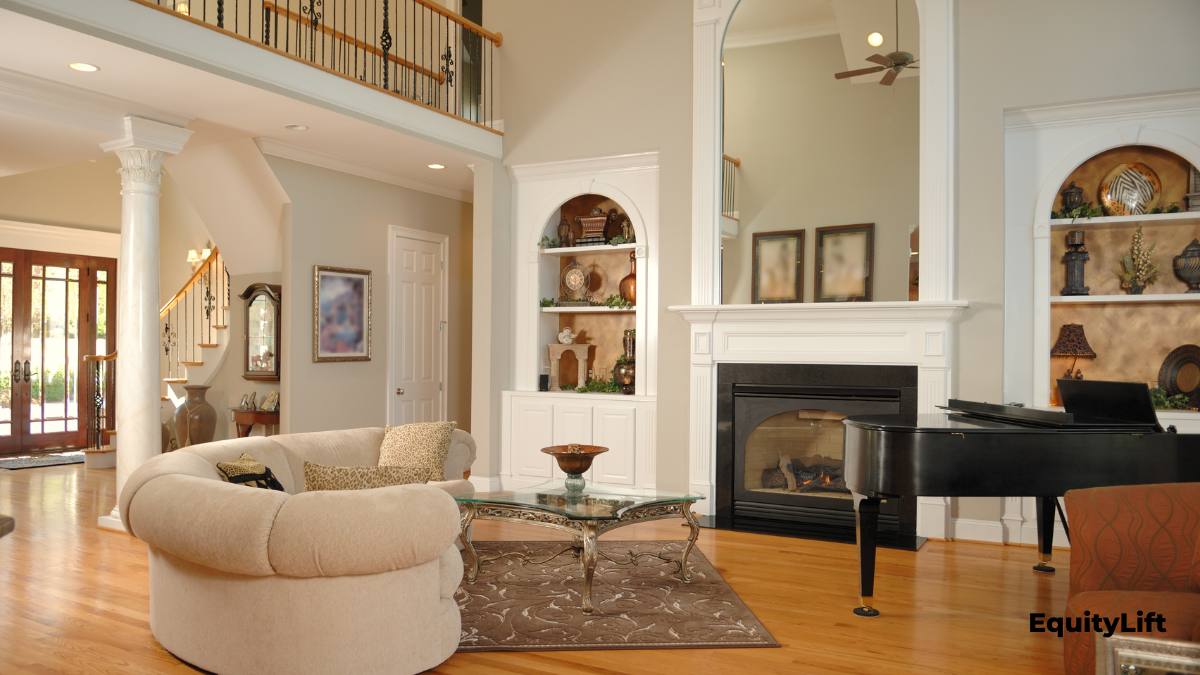
Manufactured equity is created through action — renovation, repositioning or better income — not just waiting for the market.
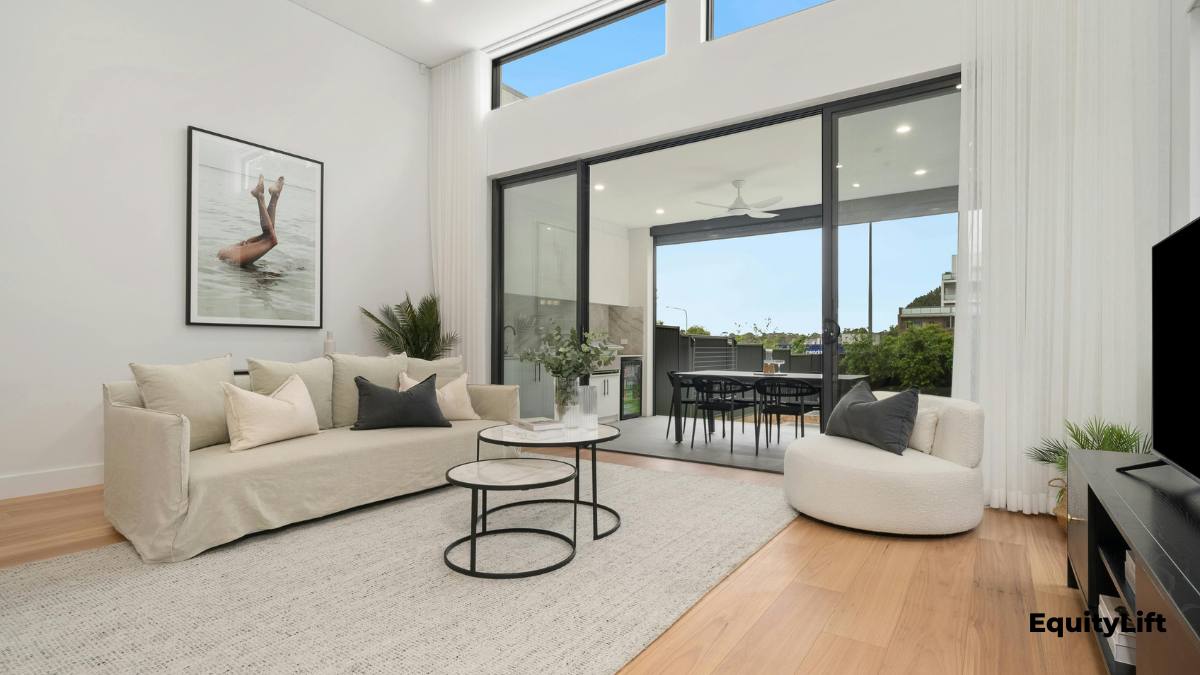
Growth and income pull in different directions. The right balance depends on borrowing capacity, goals and portfolio stage.

A beautiful renovation is not always a profitable one. Overcapitalising is one of the most common investor mistakes.

A revaluation can confirm whether value has been created — but the outcome is never guaranteed.
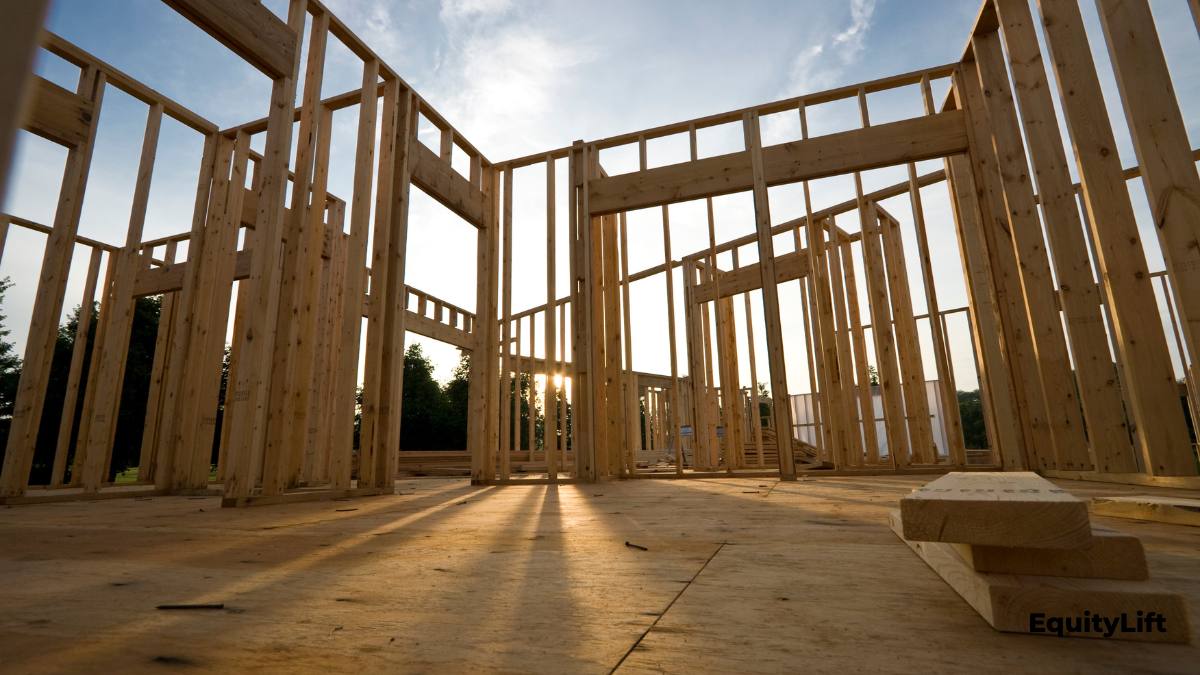
The model sounds simple, but the profit is usually made in the planning, not the paint.
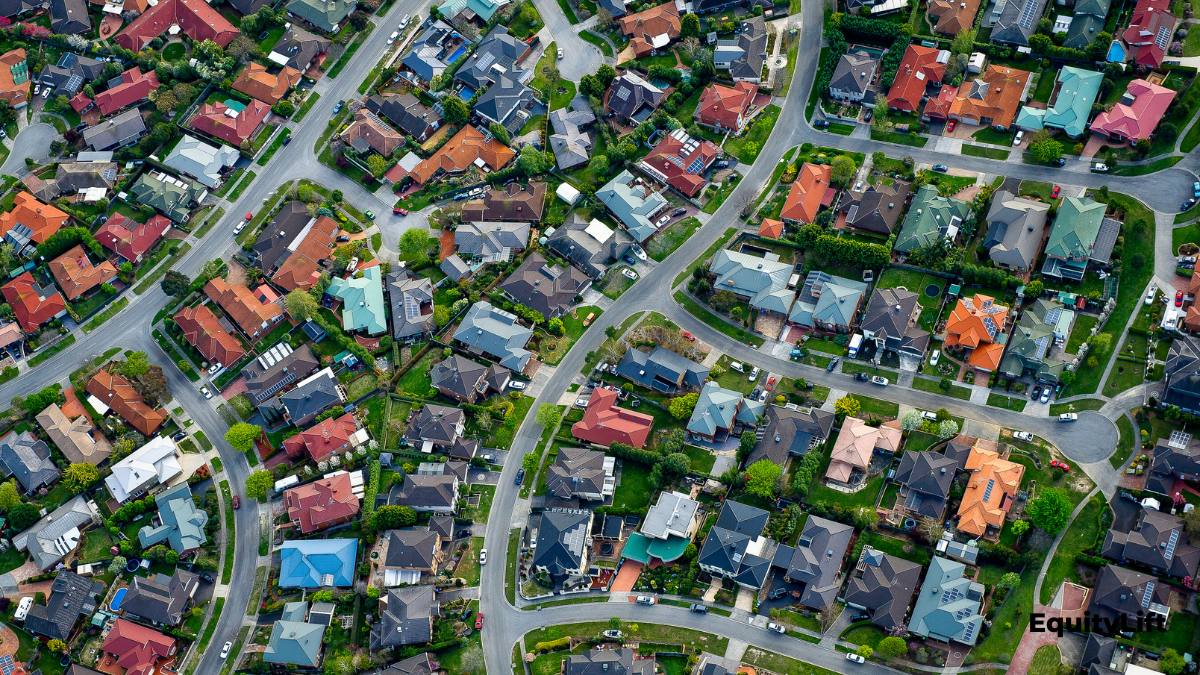
Each property should support the next step. Hold and reinvest is about compounding equity over time.
Settlement length, conditions and deposit size can outweigh price when a vendor is choosing between offers.
A poor purchase costs more than the price difference — it can tie up borrowing capacity for years.

Low price can hide weak demand, high maintenance or thin resale markets. Cheap and good value aren’t the same.
The best renovation projects are targeted, costed and supported by comparable sales — not guesswork.
Tired and broken aren’t the same thing. Know the difference between cosmetic upside and expensive structural problems.
Interstate investing opens more opportunities, but it demands stronger due diligence and the right people on the ground.

Agents often hear about vendor intentions and quiet listings well before the broader market does.

A price guide is a starting point, not a valuation. Independent evidence should always sit behind your number.

Market value is what a property may sell for. Investment value is what it’s worth to a specific strategy.

Uplift comes from evidence, not hope — comparable improved sales, costs and planning rules all need to line up.

Suburb, sales, zoning and flood risk can all be reviewed before you ever walk through the front door.
A feasibility check is a practical review of whether the numbers actually work — across costs, income and resale.
The exit plan shapes everything — price, renovation budget, finance structure and acceptable risk.

An offer should follow a structured review — finance, comparables, condition, risk and a clear walk-away price.

Interest, rates, insurance and vacancy quietly erode margins. Delays make every one of them more painful.
The right builder or trade input before purchase can change the feasibility of a value-add project entirely.

A profitable renovation improves the right things, not everything. Scope should follow strategy.
Cosmetic work is faster and easier to control. Structural work can add more upside, but brings more risk.
Residential is usually simpler. Commercial can offer stronger yields, longer leases and different risks.
Commercial can suit investors who understand the asset, the tenant demand and the different risk profile.
Strong rental demand supports cash flow, reduces vacancy risk and makes a property more stable over time.
A property manager understands local tenant demand, rental value and maintenance realities before you commit.

Population, jobs, transport, supply and street-level differences all shape suburb-level investment results.
Hotspot lists draw competition, and a strong suburb can still hide weak individual properties.
Comparable sales replace asking price and emotion with real evidence of what a property is worth.
Tired, poorly presented or under-rented properties can hide genuine value-add opportunities for investors.
Yield compares rent to value, but a higher yield does not automatically mean a better investment.

Gross yield ignores expenses. Net return shows what an investor actually keeps after all costs.

SMSF property requires professional advice, strict compliance and a property that stands on its own merits.
Borrowing capacity, structure and buffers should shape what property is realistic before the search begins.
Investment decisions should rest on numbers, risk and strategy, not on liking the kitchen or fearing FOMO.
A repeatable loop of sourcing, negotiating, adding value and redeploying equity can drive portfolio growth.

Knowing your budget, finance, timeline and goal makes the conversation with a buyers agent far more useful.
Ask how a buyers agent is paid, what they source, and whether they are genuinely aligned with your outcome.
Selling agents represent vendors. Investors need representation that is focused on their own outcome.
Securing a property is just the start. Renovation, leasing or resale all need their own plan.

Homes are about lifestyle. Investments must be judged on strategy, numbers and rental demand.

Each purchase should improve borrowing position, equity and the ability to take the next step.
Off-market opportunities in Melbourne rarely arrive by accident. Here is how serious investors get shown stock before it hits portals.
Buying property inside an SMSF is a structurally different exercise. The buyers agent you choose needs to understand why.
Borrowing capacity and pre-approval are related, but they are not interchangeable. Many buyers assume they mean the same thing and then make stronger commitments than they should. Understanding the...

How to Know if You Are Ready to Buy a Property is not about trying to predict the perfect moment or find a flawless property. It is about making decisions in the right order and weighing the factor...
Many buyers make their first mistakes before they ever attend an open home. The common pattern is easy to spot: they start with listings and emotion, then try to work out finance, suburb strategy a...
Applying for a home loan is much easier when the groundwork is done early. Buyers who leave everything until they have found a property often discover problems at the worst possible time, whether t...
Working out what you can afford is not the same as finding out what a bank may lend. The safer approach starts with your own cash flow, because you have to live with the repayments long after the e...
How to Decide Between Buying Now or Waiting is not about trying to predict the perfect moment or find a flawless property. It is about making decisions in the right order and weighing the factors t...
What Buyers Should Look for Beyond the Photos is not about trying to predict the perfect moment or find a flawless property. It is about making decisions in the right order and weighing the factors...
How to Inspect a Property Properly Before Making an Offer is not about trying to predict the perfect moment or find a flawless property. It is about making decisions in the right order and weighing...
What First Home Buyers Often Get Wrong is not about trying to predict the perfect moment or find a flawless property. It is about making decisions in the right order and weighing the factors that w...
The Hidden Costs of Buying a Property is not about trying to predict the perfect moment or find a flawless property. It is about making decisions in the right order and weighing the factors that wi...
How to Compare Properties More Effectively is not about trying to predict the perfect moment or find a flawless property. It is about making decisions in the right order and weighing the factors th...
What to Check Before Buying an Older Home is not about trying to predict the perfect moment or find a flawless property. It is about making decisions in the right order and weighing the factors tha...
How to Understand Local Market Conditions as a Buyer is not about trying to predict the perfect moment or find a flawless property. It is about making decisions in the right order and weighing the ...
The Questions Every Buyer Should Ask Before Making an Offer is not about trying to predict the perfect moment or find a flawless property. It is about making decisions in the right order and weighi...

What Makes a Property a Smart Long-Term Purchase is not about trying to predict the perfect moment or find a flawless property. It is about making decisions in the right order and weighing the fact...

What Buyers Should Know About Auction Campaigns is not about trying to predict the perfect moment or find a flawless property. It is about making decisions in the right order and weighing the facto...
How to Stay Emotionally Disciplined When Buying is not about trying to predict the perfect moment or find a flawless property. It is about making decisions in the right order and weighing the facto...
What to Look for in a Contract Before You Sign is not about trying to predict the perfect moment or find a flawless property. It is about making decisions in the right order and weighing the factor...
How to Balance Lifestyle Wants With Budget Reality is not about trying to predict the perfect moment or find a flawless property. It is about making decisions in the right order and weighing the fa...
How to Avoid Overpaying for a Property is not about trying to predict the perfect moment or find a flawless property. It is about making decisions in the right order and weighing the factors that w...
How to Compete in a Strong Market Without Making Bad Decisions is not about trying to predict the perfect moment or find a flawless property. It is about making decisions in the right order and wei...

What to Consider When Buying an Investment Property is not about trying to predict the perfect moment or find a flawless property. It is about making decisions in the right order and weighing the f...
How to Tell if a Property Is Priced Correctly is not about trying to predict the perfect moment or find a flawless property. It is about making decisions in the right order and weighing the factors...
What a Smooth Property Buying Experience Should Actually Look Like is not about trying to predict the perfect moment or find a flawless property. It is about making decisions in the right order and...
What Buyers Need to Know About Building and Pest Inspections is not about trying to predict the perfect moment or find a flawless property. It is about making decisions in the right order and weigh...